 Choosing where to receive addiction treatment is a deeply personal decision. For Canadians considering recovery options abroad, Japan may offer an opportunity to explore a different healthcare environment, learn about cultural approaches to wellness, and consider new ways to support mental health. However, deciding whether Japan is the right place for recovery requires more than an interest in its culture or lifestyle. It means understanding the clinical services available, confirming that providers can meet specific treatment needs, and making sure support will continue after returning home.
Addiction affects physical health, emotional well being, relationships, and everyday responsibilities. Some people need medically supervised withdrawal or residential treatment, while others may benefit from outpatient counseling and ongoing recovery support. The right choice depends on the individual. Before planning treatment in Japan, Canadians should understand the difference between clinical addiction care and wellness services, evaluate their options carefully, and speak with qualified healthcare professionals.
Understanding Addiction Treatment Options in Japan
Japan has an established healthcare system with hospitals and clinics that may accept international patients. However, this does not mean every facility provides specialized addiction treatment. Canadians should identify their clinical needs first and then confirm whether a specific provider offers the appropriate services.
Clinical Care Versus Wellness Programs
Clinical addiction treatment involves assessment and care from qualified healthcare professionals. Depending on the person’s needs, services may include addiction counseling, psychiatric assessment, medication management, medically supervised withdrawal, and structured treatment for substance use disorders.
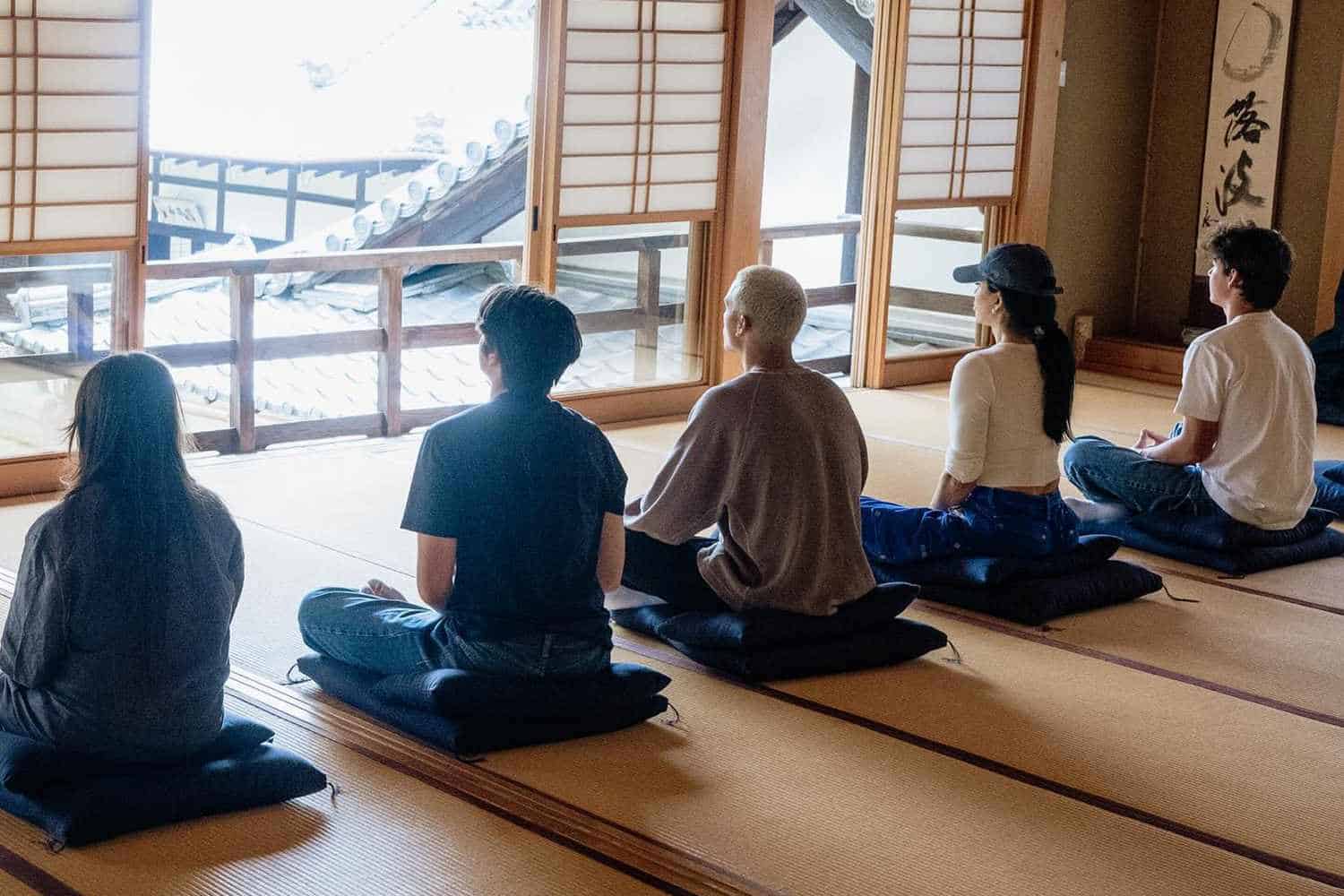
Wellness programs serve a different purpose. They may include meditation, relaxation, physical activity, or opportunities to develop healthier daily routines. These activities can support general well being, but they should not be mistaken for medical addiction treatment.
For example, a meditation retreat may offer a peaceful setting for reflection. However, it may not have the medical staff, therapeutic services, or emergency procedures required to support someone experiencing alcohol or drug dependence.
Before choosing a program, ask exactly what services it provides, who delivers them, and whether the facility has experience treating substance use disorders.
Inpatient and Outpatient Treatment
The level of care is another important consideration.
Inpatient treatment involves staying at a hospital or residential facility while receiving structured support. It may be appropriate for individuals who require intensive treatment, close supervision, or a stable environment away from everyday triggers.
Outpatient treatment allows individuals to attend scheduled appointments while living outside the facility. Depending on the provider, services may include individual counseling, psychiatric consultations, group therapy, and relapse prevention support.
Canadians exploring treatment in Japan should confirm whether a facility accepts international patients for the specific level of care they need. Admission criteria, treatment duration, language services, emergency support, and discharge planning should all be discussed before travel.
What Japan’s Wellness Culture May Contribute to Recovery
Although clinical treatment must remain the foundation when professional addiction care is needed, everyday wellness practices can contribute to a healthier recovery routine. Japan offers cultural perspectives that may encourage mindfulness, reflection, consistency, and greater attention to daily activities.
These ideas can be useful when adapted to individual needs and included in an appropriate treatment plan.
Mindfulness and Managing Stress
Stress can make addiction recovery more difficult. Work pressures, family conflict, loneliness, and emotional distress may contribute to cravings or increase the risk of returning to substance use.
Mindfulness encourages people to notice their thoughts, feelings, and physical reactions before responding automatically. A person who feels overwhelmed after an argument, for example, might pause, take a few slow breaths, and identify the emotion behind the reaction. They can then use a coping strategy learned in counseling or contact someone they trust.
Meditation and breathing exercises may help some people develop this awareness. However, these practices are not suitable for everyone. Individuals with trauma related symptoms may find certain meditation techniques uncomfortable. A qualified professional can recommend appropriate grounding and stress management methods.
Healthy Routines and Everyday Balance
Recovery involves rebuilding habits that support physical and emotional health. Regular sleep, balanced meals, movement, meaningful activities, and supportive relationships can help create greater stability.
Simple activities can make a difference. Walking outdoors, preparing a nutritious meal, gardening, journaling, or spending time with supportive friends can provide structure and reduce time spent in situations associated with substance use.
The goal is not to follow a particular cultural routine perfectly. Instead, individuals should identify realistic habits that make everyday recovery more manageable.
Why Personalized Mental Health Care Matters
Addiction and mental health concerns often occur together. Someone dealing with substance use may also experience anxiety, depression, trauma, or persistent stress. In some cases, substances become a way of coping with difficult emotions. In others, substance use can contribute to worsening mental health symptoms.
For this reason, effective recovery planning should consider the whole person.
Look for Integrated Treatment
A suitable treatment plan may include addiction counseling, psychiatric assessment, psychotherapy, medication when clinically appropriate, and family support. The specific combination depends on the person’s health history, symptoms, substance use patterns, and treatment goals.
Canadians considering Japan should ask whether a potential provider can address both addiction and co occurring mental health conditions. They should also confirm which professionals are responsible for assessment, treatment, and medication decisions.
Make Room for Personal Values and Faith
Recovery is not only about stopping substance use. It also involves rebuilding a meaningful life. For some individuals, faith and spirituality provide encouragement, purpose, and a sense of connection. Prayer, religious community, and conversations with a trusted spiritual leader may become valuable sources of support when they reflect personal beliefs.
Others may find meaning through family relationships, creative activities, volunteering, or personal goals. A good recovery plan respects these differences rather than expecting everyone to follow the same path.
Important Questions to Ask Before Choosing Treatment in Japan
Traveling abroad for addiction or mental health care requires careful preparation. Before committing to a program, Canadians should obtain clear answers about clinical suitability, costs, communication, and continuing support.
Consider asking these questions:
- Clinical qualifications: Are the healthcare professionals appropriately licensed and experienced in addiction treatment?
- Available services: Does the facility provide addiction counseling, psychiatric care, medically supervised withdrawal, or residential treatment when required?
- Treatment methods: Which therapies and recovery approaches are included in the program?
- Language support: Are qualified interpreters or English speaking clinicians available throughout treatment?
- Emergency procedures: What happens if a patient’s physical or mental health deteriorates?
- Costs and insurance: What is included in the treatment fee, and will any expenses be covered by insurance?
- Aftercare: Can the provider coordinate with healthcare professionals in Canada after treatment?
Request written information whenever possible. Review provider credentials and treatment details independently. Be cautious of programs that promise guaranteed results or suggest that relaxation and wellness activities alone can resolve addiction.
Canadians should also review travel requirements and medication regulations before departure. Some medications that are legally prescribed in Canada may be restricted in Japan. Confirm the rules with the appropriate authorities and speak with the prescribing clinician well before traveling.
Planning for Recovery After Returning to Canada
One of the most important questions is what happens when treatment in Japan ends. Returning home can bring familiar pressures, relationships, and situations that contributed to substance use in the past. Without continued support, maintaining progress may become more difficult.
Arrange Aftercare Before Traveling
A reliable aftercare plan should be developed before leaving Canada. Speak with a physician, therapist, psychiatrist, or addiction specialist about ongoing treatment needs. Discuss how medical records will be transferred and whether the Canadian provider can coordinate with the Japanese facility.
Depending on individual circumstances, continuing care may include:
- Regular appointments with an addiction or mental health professional.
- Medication management and prescription planning.
- Local counseling and recovery support groups.
- Family education and support.
- Strategies for managing cravings and stressful situations.
- A clear plan for seeking help if symptoms return or worsen.
If someone is experiencing severe withdrawal symptoms, suicidal thoughts, or another urgent medical or psychiatric concern, immediate local professional care should take priority over international travel.
Conclusion: Choose the Recovery Setting That Meets Your Needs
Is Japan the right place for your recovery? It may be worth exploring for Canadians who have identified a specific healthcare service, verified a qualified provider, and discussed international treatment with their healthcare team. Japanese perspectives on mindfulness and daily wellness may also offer useful ideas for building healthier habits. However, these practices should complement appropriate clinical care rather than replace it.
The best recovery setting is not necessarily the one that feels most appealing or offers the most unfamiliar experience. It is the one that provides appropriate treatment, respects personal needs, addresses mental health concerns, and supports continued progress after formal care ends.
If you or someone you care about is struggling with addiction, begin by speaking with a qualified healthcare professional. Ask about inpatient and outpatient treatment, integrated mental health services, and support options that reflect individual circumstances. With careful planning and reliable guidance, you can make a more informed decision about treatment in Canada or abroad and take a meaningful step toward lasting recovery.
 Addiction recovery requires more than choosing a treatment facility or deciding where to receive care. It involves understanding personal health needs, finding qualified professionals, addressing mental health concerns, and building a support system that can sustain progress over time. For Canadians exploring treatment options in Japan, understanding the differences between the two healthcare environments can help make the decision safer and more informed. Although both countries offer perspectives that may contribute to recovery, the most effective plan is one that puts clinical needs, personal circumstances, and long term well being first.