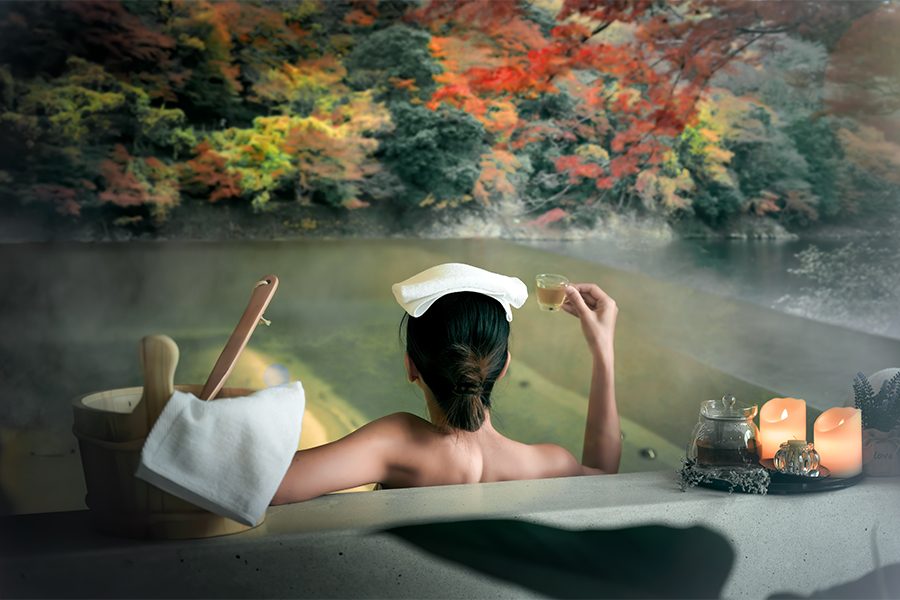
East Meets North: How Japanese Wellness Practices Are Influencing Canadian Treatment

The field of mental health and addiction recovery is evolving, and Canadians are increasingly exploring approaches that combine clinical expertise with holistic practices. Across the Pacific, Japan offers a wealth of wellness traditions that emphasize mindfulness, balance, and connection to nature. These practices are beginning to influence Canadian treatment methods, creating new opportunities for integrated care that supports the mind, body, and spirit. At johninjapan.com, this cross-cultural approach is embraced fully, blending structured therapy with Japanese-inspired wellness to foster comprehensive, long-lasting recovery.

The Appeal of Japanese Wellness for Canadian Clients

Canada provides strong, evidence-based addiction recovery and mental health services, including inpatient and outpatient care, counseling, and individualized therapy programs. However, many clients seek more than clinical treatment alone—they desire environments and practices that promote emotional restoration, spiritual reflection, and personal growth. Japan’s wellness culture offers these elements through practices rooted in centuries of mindfulness, ritual, and respect for nature.

By integrating Japanese wellness approaches, Canadians can benefit from therapies that promote calm, reduce stress, and encourage a deeper connection to themselves. This cultural perspective complements clinical care, providing a holistic foundation for sustainable recovery.

Key Japanese Practices Enhancing Mental Health and Recovery

Mindfulness and Meditation

Zen meditation is a cornerstone of Japanese wellness, helping individuals cultivate presence, focus, and emotional resilience. In Canadian treatment programs, incorporating meditation offers clients practical strategies for managing stress, controlling impulses, and maintaining sobriety. Mindfulness practices encourage self-awareness, allowing individuals to identify triggers and respond thoughtfully rather than react impulsively.

Forest Bathing and Nature-Based Therapy

Shinrin-yoku, or forest bathing, is a Japanese practice that emphasizes mindful immersion in natural environments. Research shows that spending time in forests lowers cortisol, reduces anxiety, and enhances mood. Canadians engaging with these nature-based therapies gain restorative benefits that complement traditional therapy, providing both physical relaxation and emotional clarity.

Cultural Rituals for Emotional Growth

Japanese wellness incorporates daily rituals such as tea ceremonies, calligraphy, and temple visits. These practices encourage patience, reflection, and intentional living. For Canadians in recovery, participating in these rituals promotes structure, mindfulness, and emotional balance, reinforcing the therapeutic lessons learned in clinical care.

Integrating Japanese Practices into Canadian Recovery Programs

At johninjapan.com, the goal is to offer individualized care that combines the best of Canadian clinical expertise with Japanese wellness practices. Programs are designed to address the physical, emotional, and spiritual dimensions of recovery, providing a comprehensive approach to healing.

Personalized, Holistic Care

Clients receive structured addiction recovery and mental health support, including counseling, therapy, and faith-based guidance. Simultaneously, they engage in Japanese-inspired mindfulness practices, nature immersion, and cultural experiences that nurture emotional stability and personal growth. This integration ensures that recovery extends beyond the clinical setting, supporting long-term wellness.

Sustainable Strategies for Long-Term Recovery

The skills and habits cultivated through Japanese wellness practices empower Canadians to maintain emotional balance and resilience after treatment. Meditation, mindful awareness, and connection to nature become practical tools for managing stress, sustaining sobriety, and fostering overall well-being.

A Cross-Cultural Path to Healing

The integration of Japanese wellness practices into Canadian mental health and addiction treatment represents a new era in recovery. By combining evidence-based therapy with mindfulness, ritual, and nature-based approaches, clients experience a holistic path to healing that addresses all aspects of their well-being.

If you or a loved one are seeking a compassionate, personalized approach to recovery, johninjapan.com offers guidance and support that blends clinical excellence with holistic wisdom. Take the first step today toward a balanced, resilient, and fulfilling path to mental wellness where East meets North.
Bridging the Pacific for Wellness: Understanding the Canada-Japan Connection in Specialized Medical Tourism

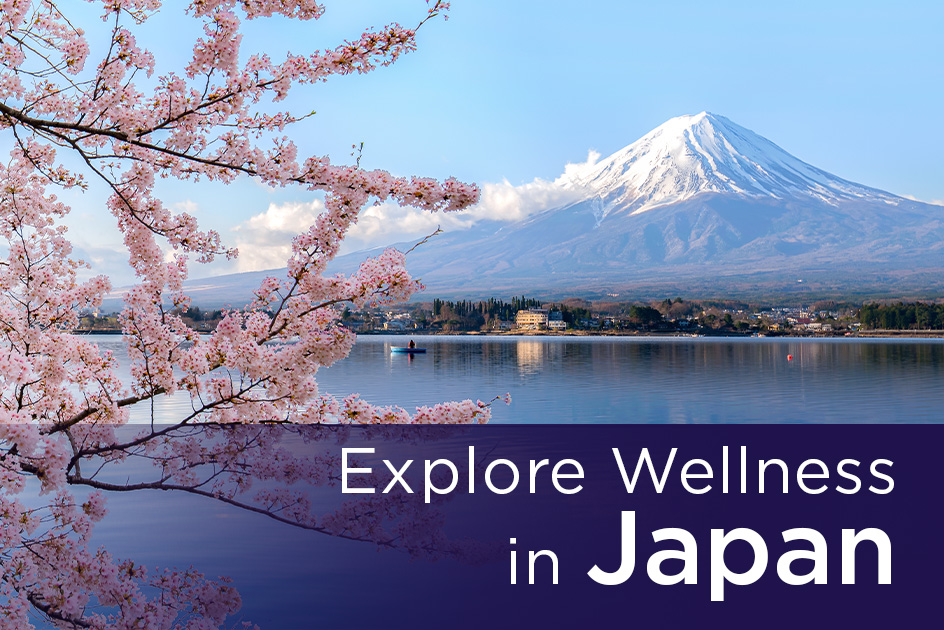
In an increasingly globalized world, the search for high-quality healthcare often leads individuals far beyond their own borders. For many Canadians, the journey toward healing has found a unique and profound destination in Japan. The medical tourism relationship between Canada and Japan is built on a shared commitment to clinical excellence, technological innovation, and deep-rooted cultural respect. At johninjapan.com, we recognize that when it comes to addiction recovery and mental health treatment, a change in environment can be as vital as the treatment itself. By bridging the Pacific, we offer Canadians a pathway to specialized care that combines the best of Western evidence-based medicine with the serene, disciplined, and compassionate healing traditions of Japan.

Why Canadians are Looking Toward Japan for Specialized Care

Canada is known for its robust healthcare system, but when it comes to highly individualized or specialized mental health and addiction recovery, wait times and limited local resources can sometimes create barriers to immediate healing. Japan has emerged as a premier destination for medical tourism because it offers a level of care that is both technologically advanced and deeply human-centered.

The Japanese approach to wellness often emphasizes the “whole person,” a philosophy that aligns perfectly with modern holistic recovery. For a Canadian traveler, the experience of seeking treatment in Japan is not just a medical trip; it is a transformative journey. The cultural emphasis on “Omotenashi” (wholehearted hospitality) ensures that every client feels seen, respected, and supported throughout their inpatient or outpatient stay.

1. Innovation in Addiction Recovery and Mental Health

Japan is a global leader in medical research, particularly in neurology and pharmacology. This expertise translates directly into more effective addiction recovery services. Many Japanese facilities utilize cutting-edge screening and diagnostic tools to understand the specific biological markers of a client’s condition.

Integrated Clinical Excellence

For Canadians struggling with co-occurring disorders—where mental health challenges like depression or anxiety intersect with substance use—Japan’s integrated care models provide a seamless solution. Rather than treating these issues in silos, Japanese clinics often house multidisciplinary teams that work in unison. This high-standard clinical environment is one of the primary drivers of the medical tourism relationship between the two nations.

A Focus on Long-Term Stability

Japanese treatment philosophy often prioritizes long-term discipline and self-regulation. For someone coming from the fast-paced North American lifestyle, learning these techniques can be the “missing link” in their recovery. These skills help clients maintain their sobriety and mental balance long after they have returned to Canada.

2. The Healing Power of a Cultural Shift

There is an old saying in recovery that “a change of playground and playmates” is essential for a fresh start. For many, the familiar streets and social circles of their home city in Canada are filled with triggers that make sobriety feel impossible.

The “Reset” Effect of International Travel

Traveling to Japan for treatment provides an immediate and powerful “reset” button. The geographical distance creates a literal and figurative space between the individual and their addiction. This allows the brain to begin healing without the constant bombardment of familiar stressors. The quiet beauty of Japanese landscapes—from Zen gardens to tranquil mountain vistas—provides a natural backdrop for the deep introspective work required in individualized counseling.

Holistic and Faith-Based Options

Just as Canada values diversity, Japan offers a range of holistic and spiritual approaches to healing. Many Canadians find great solace in incorporating mindfulness, meditation, or Shinto-inspired respect for nature into their recovery. These practices, when combined with professional medical care, offer a powerful spiritual anchor that transcends language and cultural barriers.

3. Navigating the Logistics of International Recovery

Choosing medical tourism is a significant decision that involves careful planning. Understanding the continuum of care is essential for a successful outcome.

  • Inpatient Care: For most international clients, the journey begins with an intensive inpatient stay. This provides a safe, structured environment for detox and initial stabilization.
  • Outpatient Transition: As the client prepares to return to Canada, a transition plan is developed. This ensures that the progress made in Japan is supported by local resources once they arrive back home.
  • Professional Coordination: At johninjapan.com, we help bridge the gap between these two worlds. We understand the professional standards required in both Canadian and Japanese healthcare, ensuring that your medical records and care plans are handled with the utmost integrity and confidentiality.

4. A Partnership Built on Trust and Quality

The relationship between Canada and Japan in the medical sector is strengthened by mutual professional respect. Both countries hold their medical practitioners to the highest standards of ethics and training. When a Canadian chooses Japan for mental health treatment, they are not stepping into the unknown; they are stepping into a world-class system that values their health and their humanity.

Finding Your Path to Peace Across the Pacific

If you or a loved one are feeling stuck in your current environment and are seeking a higher level of individualized addiction recovery or mental health care, the answer may lie across the ocean. The Canada-Japan medical tourism relationship offers a unique opportunity to experience world-class clinical care in a culture that treats healing as a sacred journey.

At johninjapan.com, we are dedicated to helping you find the right direction for your wellness. We offer compassionate, professional guidance for those looking to explore the benefits of specialized treatment in Japan. Whether you are looking for the structure of an inpatient facility or the innovation of a specialized clinic, we are here to help you navigate your options.

Your journey to a healthier, more balanced life doesn’t have to be limited by your geography. Reach out to us today to learn more about how the unique connection between Canada and Japan can provide the “fresh start” you’ve been searching for. Let us help you bridge the distance between where you are and where you want to be.

From Toronto to Tokyo: Exploring Japan’s Role in Canadian Addiction Recovery

Addiction recovery is a journey that demands courage, support, and a multifaceted approach to healing. For many Canadians, traditional treatment options provide a solid foundation, but some are seeking experiences that go beyond conventional therapy. Japan has emerged as a unique destination for mental wellness and addiction recovery, offering serene environments, mindful practices, and holistic approaches that complement Canadian care. By integrating evidence-based treatment with Japan’s time-honored wellness traditions, individuals can discover a deeper sense of balance and lasting recovery.

At johninjapan.com, this integration is at the heart of care. The programs offered combine Canadian clinical expertise with Japanese mindfulness and holistic therapies, creating a personalized and compassionate path toward healing.

Why Canadians Are Turning to Japan for Recovery

While Canada offers high-quality addiction recovery services—including inpatient and outpatient care, counseling, and structured programs—some individuals benefit from the perspective and renewal that comes from experiencing care abroad. Japan provides an environment that encourages reflection, calm, and focus, all of which are essential for long-term recovery.

The appeal of Japanese wellness lies in its emphasis on holistic healing. Recovery is approached not only as the management of symptoms but also as the restoration of emotional, mental, and spiritual well-being. For Canadians seeking a transformative experience, Japan’s unique combination of culture, nature, and mindfulness offers precisely this.

Holistic Practices That Enhance Recovery

Mindfulness and Zen Meditation

Zen meditation is a central feature of Japanese wellness retreats. By encouraging individuals to observe their thoughts without judgment, meditation fosters emotional regulation and resilience. Canadians in recovery find that this practice helps them manage cravings, reduce anxiety, and maintain focus during the often-challenging process of addiction treatment.

Nature Therapy and Forest Bathing

Shinrin-yoku, or forest bathing, is a practice that immerses individuals in natural surroundings, encouraging full sensory engagement and mindfulness. Scientific research shows that spending time in forests reduces stress hormones, improves mood, and supports overall mental health. For Canadian clients, Japan’s forested landscapes and tranquil gardens provide an ideal setting to reconnect with themselves and nurture recovery.

Cultural Rituals for Emotional Stability

Daily Japanese rituals, such as tea ceremonies, temple visits, and calligraphy, cultivate patience, focus, and self-awareness. These practices help clients establish structure, mindfulness, and emotional balance, reinforcing lessons learned in therapy and creating sustainable habits for long-term sobriety.

Integrating Canadian Expertise with Japanese Wisdom

At johninjapan.com, recovery programs are tailored to each individual, combining structured Canadian treatment with Japanese holistic practices. Clients receive evidence-based care, including counseling, therapy, and faith-based support, while engaging in mindfulness exercises, nature immersion, and cultural activities that support emotional healing.

Personalized Recovery Plans

By integrating these practices, clients address the physical, emotional, and spiritual dimensions of recovery. This holistic approach promotes resilience, self-awareness, and lasting transformation. Canadians return home not only with the tools to maintain sobriety but also with skills to navigate life with greater clarity and purpose.

A Path Toward Lasting Healing

The partnership between Canadian treatment standards and Japanese wellness practices represents a new era in addiction recovery. Healing is no longer confined to traditional clinical settings. By embracing holistic approaches and cultural immersion, individuals can experience recovery that is both profound and sustainable.

If you or a loved one are navigating addiction, johninjapan.com offers compassionate, individualized guidance to help you take the next step. Through the combination of structured care and holistic wellness, Canadians can explore a path from Toronto to Tokyo that leads to true balance, emotional stability, and renewed hope.

Your journey toward lasting recovery can begin today—across borders, with expert care, and with holistic support.

Cross-Pacific Care: Why Canadians Are Seeking Mental Wellness in Japan

Mental health and addiction recovery are deeply personal journeys, and many Canadians are discovering that traditional treatment alone may not provide the full support they need. As stress, burnout, and emotional challenges increase, people are seeking innovative approaches that integrate clinical care with holistic and cultural experiences. Japan has emerged as a unique destination for mental wellness, offering serene environments, mindfulness practices, and holistic therapies that complement conventional treatment.

At johninjapan.com, this cross-Pacific approach is embraced fully. The programs combine Canadian clinical expertise with Japan’s traditions of balance, calm, and self-reflection. This integration offers clients a comprehensive path to recovery that addresses the mind, body, and spirit.

Why Canadians Are Looking East for Mental Health

Canada provides high-quality mental health and addiction treatment services, including inpatient and outpatient care, therapy, and structured support programs. However, some individuals find that traditional treatment methods alone do not fully address the emotional and spiritual aspects of recovery. Experiencing care in a different cultural setting can provide clarity, perspective, and renewed motivation.

Japan offers a compelling environment for this type of healing. The culture prioritizes mindfulness, harmony, and connection to nature—elements that support mental health in ways that complement clinical treatment. For Canadians seeking a deeper recovery experience, Japan provides a safe and nurturing space for self-reflection and personal growth.

Japanese Practices Supporting Holistic Wellness

Meditation and Mindful Awareness

Zen meditation is a cornerstone of Japanese wellness. By encouraging individuals to observe their thoughts without judgment, meditation fosters emotional regulation, reduces stress, and strengthens resilience. For Canadians in recovery, these skills are invaluable, helping them manage cravings, anxiety, and depression while promoting long-term stability.

Forest Bathing and Nature Therapy

Shinrin-yoku, or forest bathing, involves immersing oneself in nature and engaging the senses fully. Research shows that spending time in forests reduces cortisol levels, lowers blood pressure, and enhances overall well-being. Canadians participating in Japanese wellness programs benefit from this grounding practice, which encourages mindfulness and emotional renewal.

Cultural Rituals that Foster Balance

Traditional Japanese practices such as tea ceremonies, calligraphy, and temple visits promote focus, patience, and self-awareness. These rituals encourage participants to slow down and cultivate habits that support mental and emotional health. For individuals in recovery, these routines reinforce stability and provide practical tools for ongoing wellness.

Integrating Canadian Clinical Care with Japanese Healing

At johninjapan.com, the goal is to combine the strengths of Canadian therapy and Japanese holistic practices. Individualized care plans incorporate evidence-based treatment, faith-based guidance, and wellness activities designed to meet each client’s unique needs.

Personalized Recovery Pathways

Clients can participate in therapy sessions, group counseling, and structured inpatient or outpatient programs while also engaging in meditation, nature immersion, and mindfulness exercises. This approach addresses the physical, emotional, and spiritual aspects of recovery, offering a comprehensive path to wellness.

Sustainable Wellness Beyond Treatment

The skills and habits learned through Japanese wellness programs are designed to extend beyond the retreat. Clients return home with practical tools for managing stress, maintaining emotional balance, and supporting long-term recovery.

A New Era of Cross-Pacific Healing

The rise of Canadian medical tourism to Japan reflects a broader shift in mental health care—one that values cultural enrichment, holistic practices, and individualized attention. By combining structured Canadian treatment with the restorative environment and mindful traditions of Japan, individuals can achieve meaningful, lasting recovery.

If you or a loved one are navigating addiction or mental health challenges, johninjapan.com offers compassionate, personalized support to guide you toward healing. Take the first step toward cross-Pacific care and discover how Japanese wellness practices can complement your recovery journey, restoring balance, clarity, and hope.