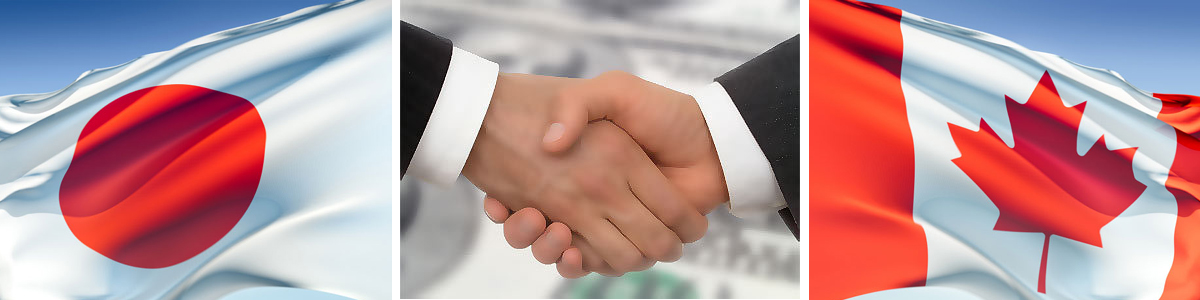
Addiction and mental health challenges do not stop at national borders, and neither should the search for meaningful care. As people become more open to personalized treatment and international medical travel, the relationship between Canada and Japan is creating new opportunities to think differently about recovery. Canada offers a strong foundation of evidence based clinical care, while Japan brings wellness traditions centered on mindfulness, balance, intentional living, and whole person health. When these perspectives are considered together, they can offer a broader vision for compassionate addiction recovery and mental health support.
For individuals struggling with substance use, anxiety, depression, trauma, or other mental health concerns, finding the right environment can make an important difference. Medical tourism is not simply about traveling to another country. It can also be about finding an approach to care that fits an individual’s needs, values, and recovery goals.
Why International Addiction Recovery Is Gaining Attention
Recovery is deeply personal. What works well for one person may not provide the same benefits for another. As a result, individuals and families are increasingly interested in treatment options that provide structure, professional guidance, and holistic support.
A Different Environment Can Encourage Change
Leaving familiar surroundings can sometimes give a person valuable distance from routines and situations associated with substance use. A new environment can create space for reflection and allow someone to focus more fully on treatment.
However, traveling for addiction treatment should never be viewed as a quick solution. Appropriate clinical assessment, professional oversight, and continuity of care remain essential.
Medical Tourism Creates More Choices
International medical care can expand the range of programs available to people seeking support. For some Canadians, exploring treatment in Japan may provide access to a combination of structured care, wellness practices, cultural experiences, and individualized support.
The goal should always be quality and suitability rather than simply traveling farther for treatment.
Canada’s Contribution to Modern Addiction Treatment
Canada’s approach to addiction recovery provides an important clinical foundation. Evidence based therapies and professional mental health services help individuals address the psychological, behavioral, and emotional factors connected to substance use.
Evidence Based Therapy Supports Lasting Change
Addiction treatment may incorporate approaches such as cognitive behavioral therapy, motivational interviewing, trauma informed counseling, family therapy, and relapse prevention.
These therapies can help clients understand the patterns behind addictive behavior and develop healthier ways to respond to stress, difficult emotions, cravings, and relationship challenges.
The emphasis is not simply on stopping substance use. Effective recovery also involves learning how to live differently.
Inpatient Care Provides Structure
Some individuals need a highly supportive environment during the early stages of recovery. Inpatient treatment can provide greater structure, professional supervision, and separation from everyday triggers.
This setting gives clients an opportunity to concentrate on treatment while developing practical skills for life after intensive care.
Outpatient Treatment Supports Continued Recovery
Other individuals may benefit from outpatient care. This model allows clients to receive ongoing therapy and recovery support while continuing with work, education, or family responsibilities.
Inpatient and outpatient services can therefore serve different needs throughout the recovery process. The appropriate level of care should be determined through professional assessment.
What Japan Adds to the Conversation
Japan offers wellness traditions that can complement clinical treatment. Many Japanese approaches emphasize mindfulness, balance, routine, reflection, and connection with one’s surroundings.
These principles can be particularly valuable for people learning how to manage stress and emotions without turning to substances.
Mindfulness Builds Awareness
Mindfulness encourages people to notice thoughts, emotions, and physical sensations before automatically responding to them.
For someone in addiction recovery, this can be an important skill. A craving or difficult emotion does not necessarily have to result in impulsive behavior. With practice, individuals can learn to pause, recognize what they are experiencing, and choose a healthier response.
Meditation, breathing exercises, and quiet reflection can become practical tools that support this process.
Daily Routines Create Stability
Addiction can disrupt sleep, nutrition, physical activity, relationships, and personal responsibilities. Rebuilding these areas is an important part of recovery.
Japanese wellness traditions provide a useful reminder that small daily habits can contribute to broader changes. Consistent sleep, nutritious food, movement, personal reflection, and structured routines can help create stability.
Peaceful Environments Encourage Reflection
The environment surrounding treatment can influence the recovery experience. Quiet spaces and opportunities to spend time in nature can encourage relaxation and self-reflection.
For someone traveling from Canada to Japan, the physical and cultural change may also create an opportunity to step away from familiar pressures and concentrate on personal growth.
Creating a More Personalized Recovery Experience
The greatest opportunity may come from combining complementary strengths rather than treating Canadian and Japanese approaches as competing systems.
Treating Mental Health and Addiction Together
Substance use and mental health concerns frequently overlap. Someone experiencing addiction may also be dealing with trauma, depression, anxiety, or other psychological challenges.
For this reason, treatment should consider the entire person rather than focusing exclusively on substance use.
Integrated mental health and addiction care can help clients address underlying concerns while developing strategies for maintaining sobriety.
Individualized Treatment Respects the Person
Personalized care begins by understanding the individual.
A comprehensive treatment plan can consider substance use history, physical health, mental health, family relationships, personal beliefs, cultural background, and recovery goals.
This approach helps clients participate actively in their treatment rather than feeling as though they are simply following a predetermined program.
Faith Based Support Can Add Meaning
Recovery is not purely clinical for everyone. Some individuals find strength through faith, spirituality, or a renewed sense of purpose.
Faith based support can be incorporated into treatment when it reflects the client’s own beliefs and preferences. Prayer, reflection, forgiveness, service, and spiritual guidance may provide additional sources of hope and resilience alongside professional therapy.
What Canadians Should Consider Before Seeking Treatment Abroad
International addiction treatment requires careful planning. A change of country does not automatically mean better treatment, so prospective clients should evaluate programs carefully.
Ask Important Questions
Before committing to care abroad, consider questions such as:
- What qualifications do the treatment professionals have?
- What level of medical supervision is available?
- Is the program inpatient, outpatient, or both?
- How are addiction and mental health conditions assessed?
- What therapies are offered?
- How is the treatment plan individualized?
- What happens if a client needs additional medical support?
- How will care continue after returning to Canada?
These questions can help individuals make informed decisions based on quality and safety.
Plan for Continuity of Care
Recovery continues after a treatment program ends. Anyone considering international care should have a clear plan for ongoing support.
This may include continuing therapy, family involvement, relapse prevention planning, medical follow up, peer support, or other appropriate services after returning home.
Strong aftercare planning can help transform progress made during treatment into sustainable recovery.
A Broader Vision for Addiction Recovery
The connection between Canada and Japan reflects a larger shift in the way people think about mental health and addiction treatment. Recovery does not have to be limited to one therapeutic philosophy.
Evidence based clinical care provides essential structure and professional expertise. Holistic practices can support mindfulness, emotional balance, physical wellness, and personal growth. Individualized treatment brings these elements together according to each person’s needs.
This whole person perspective recognizes that recovery is about more than overcoming substance use. It is about rebuilding a life worth protecting.
Conclusion
Canada and Japan each bring valuable perspectives to the evolving field of addiction recovery and mental health care. Canada’s clinical approach emphasizes professional assessment, evidence based therapy, and structured treatment. Japan’s wellness traditions highlight mindfulness, balance, healthy routines, and intentional living.
Together, these perspectives can inspire new ways of thinking about personalized recovery.
If you or someone you love is struggling with addiction or mental health challenges, seeking professional guidance is an important first step. For those considering treatment abroad, careful assessment and planning can help ensure that international care is appropriate, safe, and connected to a long term recovery plan.
The path to healing does not look the same for everyone. What matters is finding compassionate, professional care that understands your circumstances, respects your goals, and supports the whole person. Sometimes, discovering that path begins by looking beyond familiar borders.
Mental health and addiction recovery are increasingly being understood as journeys that require more than a single treatment method. People need clinical expertise, emotional support, healthy routines, meaningful connection, and care that respects who they are as individuals. In this changing landscape, Canada and Japan offer complementary perspectives on holistic mental health and addiction recovery. Canada brings a strong foundation of evidence based treatment and structured clinical support, while Japanese wellness traditions emphasize mindfulness, balance, reflection, and the relationship between daily habits and overall well being. Together, these ideas offer an encouraging model for more personalized recovery.
Addiction recovery is most successful when treatment is built around the individual rather than a standardized program. Every person brings a unique history, different life experiences, and personal goals into recovery. That is why personalized addiction treatment has become one of the most important developments in modern behavioral healthcare. As Canada and Japan continue to influence one another through medical tourism and shared healthcare innovation, they offer valuable lessons about combining evidence-based treatment with holistic wellness. Together, these approaches demonstrate that lasting recovery is possible when clinical excellence, compassion, and individualized care work hand in hand.
Addiction recovery is no longer limited by geography. As awareness of mental health and substance use disorders continues to grow, more individuals are exploring treatment options that extend beyond their own communities. Canada and Japan are becoming part of an important conversation about the future of recovery by bringing together evidence-based clinical care and holistic wellness traditions. This growing connection is helping people discover more personalized, compassionate, and comprehensive pathways to healing.
Recovery is one of the most important journeys a person can take, and for many Canadians, that journey is beginning to extend beyond national borders. While Canada offers respected addiction recovery and mental health services, an increasing number of individuals are exploring Japan for treatment that combines clinical support with holistic wellness. This growing interest is not simply about traveling abroad. It reflects a desire for personalized care, peaceful healing environments, and recovery programs that address every aspect of a person’s well-being. By blending evidence-based treatment with mindfulness, structure, and compassionate support, Japan is offering Canadians a fresh perspective on what lasting recovery can look like.
Addiction recovery is becoming more personalized than ever before. People are no longer searching only for the closest treatment center. They are looking for programs that address the emotional, physical, mental, and even spiritual aspects of healing. This shift has sparked growing interest in international approaches to recovery, particularly the connection between Canada’s evidence-based treatment model and Japan’s holistic philosophy of wellness. As more Canadians explore recovery options abroad, Japan is gaining recognition for its emphasis on mindfulness, balance, and individualized care.
Recovery is a deeply personal journey, and no single approach works for everyone. As awareness of mental health and addiction continues to grow, more people are looking beyond traditional treatment models for care that reflects their unique needs and experiences. The growing connection between Canada and Japan offers an inspiring example of how different healthcare philosophies can work together to support lasting healing. By combining Canada’s evidence-based clinical expertise with Japan’s holistic wellness traditions, individuals have access to a broader range of recovery options that prioritize compassion, personalization, and long-term well-being.
For many Canadians facing addiction or mental health challenges, finding the right path to recovery requires more than traditional treatment alone. People are searching for care that addresses the full person, including emotional well-being, physical health, personal values, and long-term life goals. This growing desire for deeper healing is leading some Canadians to explore Japan, where holistic wellness traditions are being combined with modern approaches to mental health and addiction treatment. The connection between Canada and Japan represents a new perspective on recovery, one focused on balance, mindfulness, and individualized support.